
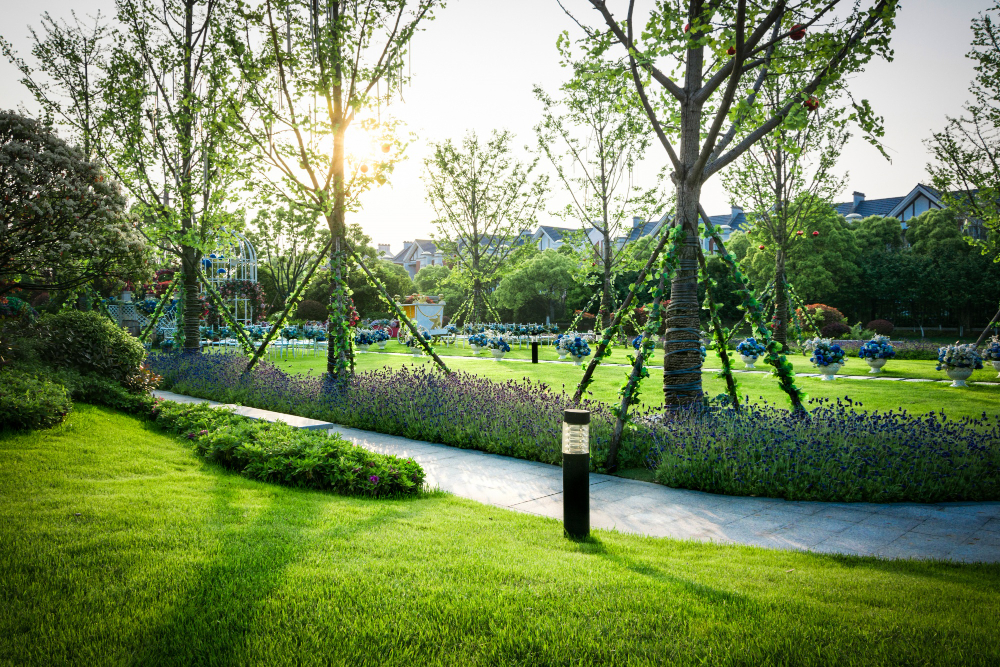

Every November, the same thing happens across Melbourne. The weather turns, the first warm weekend arrives and thousands of homeowners look at their backyards and decide this is the year they’ll finally fix them. By then, the best window for good landscape design in Melbourne has usually passed. Good design takes time, construction takes longer, and the teams worth hiring tend to fill their calendars early.
Spring is the smarter moment to start. Gardens are waking up, the light is changing, and you can see clearly which parts of your yard work and which don’t. Planning now gives you time to get the design right, secure the permits you might need and have a build scheduled well before the festive season. Here’s how to make the most of it.
Read Your Site While the Seasons Are Changing
Spring is an honest season for a backyard. You can still see where water pooled over winter, which corners stayed damp and shaded, and where the soil is heavy and slow to drain. At the same time, the sun is climbing, so you can start to see where summer heat will land.
Spend a few weekends simply observing. Note:
- Where the morning and afternoon sun falls, and where it’s still shaded
- Any soggy patches, run-off paths or areas where water sits against the house
- Views you’d like to frame, and neighbours’ windows you’d rather screen
- Where people naturally walk, sit and gather
This record is gold for any landscape designer. It turns a first meeting from general ideas into specific decisions, and it helps avoid a design that looks great on paper but ignores how your site behaves.
What a Good Landscape Designer Brings to the Table
A skilled landscape designer does far more than choose plants and pavers. They start with what’s already there: the architecture of the house, the aspect, the slope and the surrounding environment. Then they design around how your household actually lives outdoors, rather than around a trend.
In Melbourne, that site knowledge matters. Many eastern and inner suburbs sit on reactive clay, which moves as it wets and dries. Heritage overlays in older suburbs can shape what’s allowed at the front of a property. Sloping blocks may need retaining, and retaining walls over a certain height typically need a building permit.
The strongest designers also think about construction from day one. Working with an integrated landscape design and construction team means the people drawing your plans understand exactly what the build involves, which keeps the design realistic and the budget grounded.
Landscape Design Melbourne Homeowners Can Actually Picture
One of the biggest shifts in recent years is how designs are presented. Hand sketches still have their charm, but many homeowners struggle to translate a flat plan into a real sense of space.
Detailed 3D visualisation changes that. Being able to “walk through” a design lets you judge the height of a wall, the width of a path or how a pergola frames the view from your kitchen. It also makes decisions faster and more confident, because you’re reacting to something you can see.
When you’re comparing designers, ask how they’ll present the concept and how many rounds of revisions are included. A clear design process protects your budget. Changes made on screen are cheap. Changes made after concrete is poured are not.
Plan the Build Around Melbourne’s Calendar
Timing a landscaping project in Melbourne is partly about the weather and partly about everyone else’s plans. Build too late in the year and you’re competing with the pre-Christmas rush. Start in the depths of winter and wet ground can slow earthworks.
Planning in spring gives you breathing room to:
- Finalise the design without feeling rushed
- Sort out any council or building permits
- Lock in a construction start date that suits your household
- Order materials with longer lead times, such as natural stone
Planting is also worth thinking about carefully. Many plants establish best when they go in during the milder months, giving roots a chance to settle before summer heat arrives. A good team will plan planting around the build so new plants aren’t left to cope with a heatwave in their first week. If you’re weighing up what’s involved beyond the design itself, it helps to understand what a complete landscaping service covers, from earthworks and structures through to planting, lighting and irrigation.
Keep the Design Focused on Year-Round Use
It’s tempting to design only for summer entertaining. Yet the most successful Melbourne backyards are the ones used in every season. Think about covered areas that work on a drizzly autumn evening, winter sun on a north-facing terrace and outdoor lighting that makes the garden part of the view after dark.
Comfort is the real test. If a space is too hot, too exposed or too awkward to reach from the house, it won’t get used, no matter how good it looks. For more local advice on landscaping Melbourne homes, look for designers who talk about shade, shelter and flow as naturally as they talk about materials.
Spring is when a Melbourne backyard shows you its strengths and weaknesses most clearly. It’s also the season that rewards homeowners who plan ahead, rather than waiting for the first hot weekend to spark a rushed decision.
Use these weeks to observe your site, define how you want to live outdoors and find a landscape designer who understands both the design and the build. Give the process the time it deserves, and you’ll have a space that feels right in January and still earns its keep in July. The best outdoor spaces aren’t the ones built fastest. They’re the ones planned with care.