
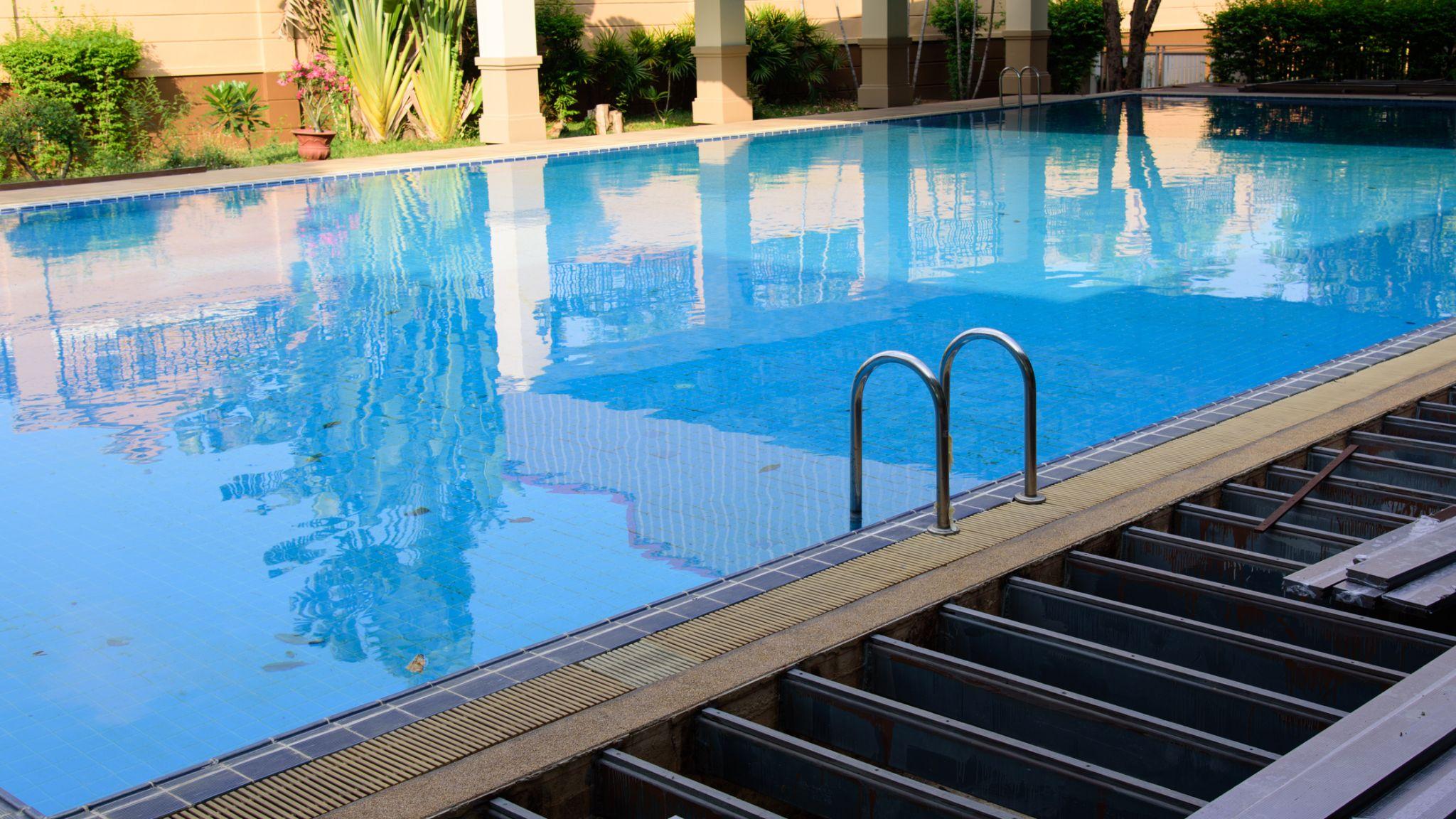

Aquatic therapy offers immense benefits for post-operative rehabilitation, providing a buoyant, low-impact environment that accelerates healing and improves mobility. However, utilizing a home pool for recovery introduces significant health considerations. A healing incision site or a compromised immune system following surgery requires an aquatic environment that is meticulously sanitized. Standard recreational water maintenance is entirely insufficient when the risk of severe post-surgical infection is present. This comprehensive guide outlines the rigorous protocols necessary to elevate your water quality, ensuring a safe, sterile, and therapeutic environment for your recovery journey.
Understanding the Vulnerabilities of the Post-Surgical Patient
Before modifying your maintenance routine, it is essential to understand why post-operative patients are exceptionally susceptible to aquatic hazards. Their physiological state dictates a much stricter standard of water care than a typical swimmer requires.
The Risk of Incision Site Infections
The primary concern during aquatic rehabilitation is the protection of healing surgical wounds. Even when an incision appears closed or is covered by a waterproof dressing, microscopic vulnerabilities remain. The pool environment hosts a variety of naturally occurring bacteria, such as Pseudomonas aeruginosa, which thrives in warm water and is notorious for causing severe wound infections.
If the water is not perfectly sanitized, these opportunistic pathogens can easily breach the healing tissue, leading to localized infections, delayed recovery times, or severe systemic complications requiring readmission to the hospital. Therefore, your sanitization strategy must be absolute and uncompromising.
Compromised Immune Function and Respiratory Sensitivity
Major surgery naturally suppresses the immune system as the body redirects its energy toward healing tissue trauma. This immunosuppression makes the patient far more susceptible to recreational water illnesses caused by pathogens like Cryptosporidium or E. coli, which a healthy individual might easily fend off. Furthermore, the strong chemical odors often associated with poorly maintained pools, caused by chloramines off-gassing from the surface, can irritate the respiratory tract. For a patient recovering from surgery, particularly thoracic or abdominal procedures where deep breathing is already painful, a harsh chemical environment can make the therapy session intolerable and counterproductive.
Elevating Sanitization to Clinical Standards
To create a truly safe environment for rehabilitation, you must move beyond basic test strips and implement a rigorous, precise chemical management protocol in the weeks leading up to and during the therapy phase.
Maintaining Elevated and Consistent Sanitizer Levels
While a standard residential pool might safely operate with free chlorine levels between one and three parts per million, a therapeutic environment requires a higher, unwavering baseline. You should target a consistent free chlorine residual of three to five parts per million. This elevated level provides a necessary buffer, ensuring that the sanitizer is robust enough to instantly neutralize any pathogens introduced during the therapy session. Using liquid chlorine or a properly functioning saltwater generator is preferred over solid tablets, as these methods allow for precise daily adjustments without constantly increasing the cyanuric acid stabilizer levels.
Eliminating Irritating Chloramines Proactively
The presence of chloramines, or combined chlorine, is unacceptable in a therapeutic setting. These exhausted sanitizer molecules not only smell terrible but indicate that the active chlorine is struggling to keep up with the biological load. You must test your water using a high-quality liquid reagent kit to monitor total chlorine versus free chlorine. If combined chlorine is detected, you must immediately execute a breakpoint chlorination shock treatment to shatter those chemical bonds and release the nitrogen gas. Maintaining zero combined chlorine is the only way to ensure the water is both sanitary and comfortable for the recovering patient.
Achieving Perfect Balance for Physical Comfort
Chemicals alone cannot guarantee a safe environment. The water must also be perfectly balanced to prevent physical discomfort and protect the delicate healing skin.
Precise pH Management for Skin Integrity
Perfect pH balance is the secret to protecting sensitive, healing skin from chemical burns or irritation. Human tears have a natural pH of approximately seven point four. You must adjust your pool water to match this exactly. If the pH drops below seven point two, the water becomes acidic and will sting the incision site and dry out the surrounding skin. If it climbs above seven point six, your expensive chlorine becomes sluggish and ineffective at killing bacteria. Use precise doses of muriatic acid or sodium carbonate to dial the pH in perfectly, and ensure your total alkalinity is stable between eighty and one hundred and twenty parts per million to act as a solid buffer.
Optimizing Water Temperature for Rehabilitation
The temperature of the water significantly impacts the effectiveness of the therapy. Standard recreational temperatures are often too cold for a post-surgical patient, leading to muscle tension and shivering, which can strain the healing surgical site. Aquatic therapy is most effective in warmer water, typically between eighty-eight and ninety-two degrees Fahrenheit.
This warmth promotes vasodilation, increasing blood flow to the healing tissues and relaxing the surrounding muscles. However, remember that warmer water depletes sanitizer much faster, requiring even more vigilant chemical monitoring to maintain that critical three to five parts per million baseline.
Aggressive Physical Cleaning and Filtration Protocols
Even perfectly balanced chemicals cannot overcome a heavy physical debris load. You must physically remove all organic matter and fine particulate debris from the water column and pool surfaces to prevent bacterial colonization.
Deep Cleaning the Filtration System
Your filter is the heart of your pool’s hygiene system. Before beginning the therapy regimen, you must ensure it is operating at absolute peak efficiency. For sand or diatomaceous earth filters, perform a thorough backwash and rinse cycle. If you use a cartridge filter, remove the elements and soak them overnight in a specialized filter cleaner to remove embedded oils and microscopic debris, then rinse them completely clean. Run the circulation pump continuously during the hours the patient is using the pool to ensure the water is constantly being filtered and treated.
Eradicating Organic Debris and Biofilms
Every leaf, insect, and speck of dirt in the pool consumes your valuable sanitizer and provides a breeding ground for bacteria. You must maintain immaculate physical cleanliness. Brush the walls and steps vigorously to disrupt any early biofilm formation. To ensure the floor is flawlessly clean without stirring up settled dust or requiring the patient to navigate around manual vacuum hoses, utilizing a pool vacuum robot is highly recommended. These autonomous devices systematically scrub the surfaces and capture ultra-fine particulate matter, leaving the environment impeccably clean and significantly reducing the biological load on your sanitizers.
Conclusion
Preparing your home pool for post-surgery aquatic therapy requires elevating your maintenance routine to a clinical standard. Understanding the patient’s heightened vulnerability to pathogens and chemical irritation is the foundational first step. By diligently maintaining elevated, consistent sanitizer levels, aggressively preventing chloramine buildup, and balancing the pH to protect delicate skin, you create a chemically safe foundation.
Combining this flawless water chemistry with warm therapeutic temperatures, pristine filtration, and strict adherence to autonomous physical cleaning guarantees that the aquatic environment is not only safe and hygienic but a powerful, comfortable catalyst for a successful recovery.